Hotel in Kathmandu and Pokhara and Lodge / Tea House during trek
The Annapurna Circuit Trek is one of the most iconic long-distance trekking routes in the Himalayas of Nepal. It circles the Annapurna massif and offers an incredible variety of landscapes—from subtropical valleys and terraced fields to high alpine deserts and the dramatic Thorong La Pass. The itinerary provided by Trail Mania Trek is a classic 17-day journey that blends cultural immersion, natural beauty, and high-altitude adventure.
This trek begins in Kathmandu and gradually moves into the Annapurna region, passing through traditional villages like Dharapani, Chame, Pisang, and Manang before crossing the challenging Thorong La Pass (5,416m). After descending to Muktinath, the route continues through Tatopani, Ghorepani, and Ghandruk, eventually ending in Pokhara. The diversity of this route is what makes it exceptional, as trekkers experience Hindu and Buddhist cultures, deep gorges, waterfalls, glaciers, and panoramic mountain views.
The trek is not just about scenery; it is also a cultural journey. Villages along the route are inhabited by Gurung, Thakali, and Tibetan-influenced communities. Each settlement offers a glimpse into traditional Himalayan lifestyles that have remained largely unchanged for centuries.
The best seasons for the Annapurna Circuit Trek are spring (March to May) and autumn (September to November). These periods offer the most stable weather conditions, clear mountain views, and comfortable trekking temperatures. During spring, the trails are decorated with blooming rhododendrons, while autumn provides crisp air and excellent visibility after the monsoon rains.
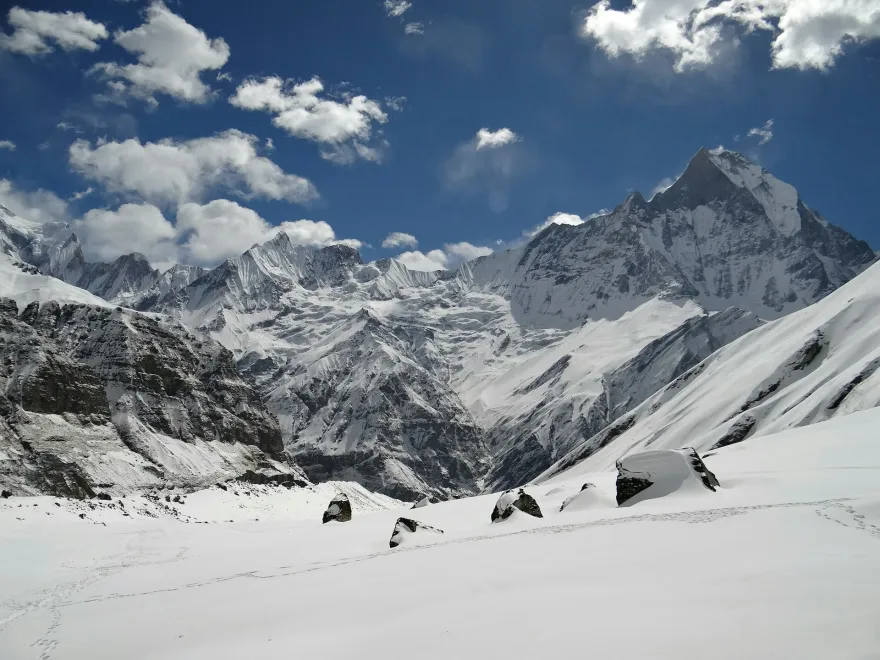
Spring is particularly popular among trekkers because of its vibrant landscapes and moderate temperatures. Higher regions like Manang and Thorong Phedi are accessible without extreme cold, making acclimatization more comfortable. Autumn, however, is considered the peak trekking season due to its stable weather and crystal-clear Himalayan views, especially of Annapurna I, Dhaulagiri, and Machhapuchhre.
Winter (December to February) is possible but challenging due to heavy snowfall at higher altitudes, especially near Thorong La Pass. Monsoon season (June to August) brings rain, landslides, and leeches in lower regions, making trekking more difficult.
Best seasonal tips:
Trail Mania Trek recommends autumn as the most reliable season for this full circuit itinerary.
The Annapurna Circuit Trek is considered moderate to challenging, primarily due to its long duration, varied terrain, and high-altitude pass crossing. The most demanding section is the ascent to Thorong La Pass at 5,416 meters, where altitude sickness and weather conditions can significantly impact performance.
Trekkers walk for 5–8 hours per day on average, with some shorter acclimatization days in places like Manang. The trail includes steep ascents, rocky paths, suspension bridges, and occasional snow at higher elevations. Good physical fitness and prior trekking experience are highly recommended, although beginners can complete the trek with proper preparation and pacing.
Transportation is a mix of road travel and trekking. The journey begins with a drive from Kathmandu to Syange/Jagat, followed by continuous trekking until Muktinath. From there, another road journey leads to Tatopani, followed by trekking again to Ghorepani and onward to Pokhara. Finally, a scenic drive returns to Kathmandu.
Difficulty factors:
Transportation highlights:
Trail Mania Trek provides experienced guides to manage acclimatization and safe navigation throughout the route.
Food and accommodation along the Annapurna Circuit are provided by local teahouses, which are simple but comfortable lodges run by mountain communities. These teahouses offer basic private or shared rooms, usually with twin beds, blankets, and shared bathroom facilities. As altitude increases, accommodations become more basic, but hospitality remains warm and welcoming.
Meals are typically included in trekking packages and consist of fresh, locally prepared dishes. The most common meal is Dal Bhat (rice, lentil soup, and vegetables), which provides high energy for trekking. Other options include noodles, pasta, soups, fried rice, momos (dumplings), and Tibetan bread. In lower regions, menus are more varied, while higher regions have limited food choices due to transportation constraints.
Hot drinks such as tea, coffee, and ginger lemon honey are widely available and essential for hydration and warmth. Drinking water is available but must be treated or purchased as bottled water.
Accommodation features:
Food options:
Trail Mania Trek ensures hygienic food arrangements and selects reliable teahouses for comfort and safety during the journey.
To complete the Annapurna Circuit Trek, trekkers must obtain specific permits required by the Nepalese government. These permits help conserve the Annapurna region and support local communities. The two main permits required are the Annapurna Conservation Area Permit (ACAP) and the Trekkers’ Information Management System (TIMS) card.
The ACAP permit allows entry into the protected Annapurna Conservation Area, which is home to diverse wildlife, forests, and cultural heritage sites. The TIMS card helps track trekkers for safety purposes, ensuring proper monitoring in case of emergencies. These permits are usually arranged in Kathmandu or Pokhara before the trek begins.
Foreign nationals must carry valid passports and passport-sized photos for permit processing. The trekking agency, such as Trail Mania Trek, typically handles all permit arrangements, making the process hassle-free for trekkers.
Required permits:
Permit benefits:
Proper permit management ensures a smooth and legal trekking experience throughout the Annapurna Circuit.
The Annapurna Circuit Trek is one of the most rewarding trekking experiences in the world due to its unmatched diversity in landscapes, culture, and altitude variation. Unlike shorter treks, this route offers a complete Himalayan experience—from lush green valleys to arid mountain deserts and high passes.
Choosing this trek with Trail Mania Trek ensures professional guidance, safety management, and well-organized logistics throughout the journey. Experienced guides help with acclimatization, navigation, and cultural interpretation, making the trek more meaningful and secure.
Another major reason to choose this trek is its cultural richness. Trekkers pass through Hindu pilgrimage sites like Muktinath and Buddhist-influenced villages in Manang, offering a deep understanding of Nepal’s spiritual diversity. The combination of nature, culture, and adventure makes it a life-changing journey.
Top reasons to choose this trek:
Ultimately, the Annapurna Circuit Trek is not just a physical journey but a transformative experience that combines adventure, endurance, and cultural discovery in one of the world’s most stunning mountain regions.
Upon your arrival in Kathmandu, the capital of Nepal, a representative from Trail Mania Trek will warmly welcome you at the airport and transfer you to your hotel in the bustling Thamel area or a similar tourist hub. After check-in, you can rest after your journey or explore nearby streets filled with trekking shops, cafés, and cultural sights. In the evening, there will be a short briefing about the Annapurna Circuit Trek itinerary, safety guidelines, and necessary preparations. This day is mainly for recovery, cultural immersion, and getting introduced to Nepal’s vibrant atmosphere.
Today is dedicated to exploring the cultural and historical richness of Kathmandu. You will visit UNESCO World Heritage Sites such as Swayambhunath (Monkey Temple), Boudhanath Stupa, and Pashupatinath Temple, gaining insight into Nepal’s spiritual and cultural diversity. After sightseeing, you will return to your hotel for trek preparation, including gear checks, permit arrangements, and final briefing with the Trail Mania Trek guide. This is an important day to ensure everything is properly organized for the journey ahead into the Himalayas, while also enjoying the heritage and vibrant life of the Kathmandu Valley.
Your adventure begins with a long scenic drive from Kathmandu toward Syange or Jagat, following winding roads along rivers, terraced fields, and hillside villages. The journey gradually transitions from urban landscapes to rural Himalayan terrain, offering your first glimpses of mountain life. You will pass through towns like Besisahar before reaching the trekking starting point. Upon arrival in Syange or Jagat, you will check into a teahouse and relax after the drive. This day marks the official entry into the Annapurna region and sets the tone for the trekking experience ahead.
The trek begins along the Marsyangdi River, crossing suspension bridges, waterfalls, and lush forested trails. You will gradually gain elevation while passing through small settlements inhabited by diverse ethnic groups, including Gurung and Tibetan-influenced communities. The trail involves both ascents and descents, making it a moderately challenging but scenic walking day. You will arrive at Dharapani, a key checkpoint in the Annapurna region, where trekkers rest before heading deeper into the mountains. Overnight stay will be in a local teahouse surrounded by peaceful Himalayan scenery.
Today’s trail continues through dense pine forests, river valleys, and impressive mountain views. As you ascend higher, the air becomes cooler and the landscapes more dramatic, with occasional glimpses of Annapurna peaks. You will pass through villages like Bagarchhap and Timang, where traditional stone houses reflect Tibetan Buddhist influence. The path is well-defined but includes steady climbs, making it a moderately demanding trekking day. Upon reaching Chame, the district headquarters of Manang, you can relax in a teahouse and enjoy views of Lamjung Himal.
The trail from Chame to Pisang offers some of the most beautiful scenery so far, with deep valleys, pine forests, and dramatic rock formations. You will walk alongside the Marsyangdi River and pass through apple orchards and small settlements. As altitude increases, the landscape becomes more rugged and alpine. Pisang is divided into Lower and Upper villages, both offering stunning views of Annapurna II and surrounding peaks. You will stay overnight in Pisang, where the peaceful mountain environment provides a perfect rest before moving deeper into high-altitude terrain.
Today’s route follows a high trail via Upper Pisang, offering panoramic views of the Annapurna range. The path is more challenging due to altitude gain and dry, windy conditions. Along the way, you will pass traditional Buddhist monasteries and ancient stone settlements that reflect Tibetan culture. The landscape becomes increasingly arid as you approach Manang, a major village in the region. Upon arrival, you will notice the dramatic shift in environment and culture. Manang is a beautiful high-altitude settlement where trekkers acclimatize before moving further upward.
This is an essential acclimatization day to help your body adjust to higher altitude and reduce the risk of altitude sickness. You may take short hikes to nearby viewpoints such as Gangapurna Lake or Ice Lake, which offer breathtaking Himalayan panoramas. Manang village itself is rich in culture, with monasteries, bakeries, and local shops catering to trekkers. Trail Mania Trek guides will provide valuable advice on hydration, rest, and altitude awareness. This rest day ensures a safer and more enjoyable continuation of the trek toward Thorong La Pass.
The trail today gradually ascends through dry alpine landscapes with fewer trees and more rugged terrain. You will pass through small settlements and grazing areas where yaks and horses are commonly seen. The walk is shorter in duration but more challenging due to altitude gain. The air becomes noticeably thinner, making slow and steady walking essential. Yak Kharka is a small but important resting point for trekkers heading toward Thorong Phedi. You will spend the night in a teahouse surrounded by open mountain views and peaceful silence.
Today’s trek is relatively short but demanding due to the increasing altitude. The trail involves rocky paths, gradual climbs, and careful crossing of unstable terrain in some sections. You will ascend slowly while enjoying panoramic views of snow-covered peaks and barren valleys. Thorong Phedi serves as the base camp before crossing the famous Thorong La Pass. Upon arrival, rest is crucial to prepare for the challenging early morning ascent the next day. The environment here is harsh but incredibly beautiful, offering a true high-mountain experience.
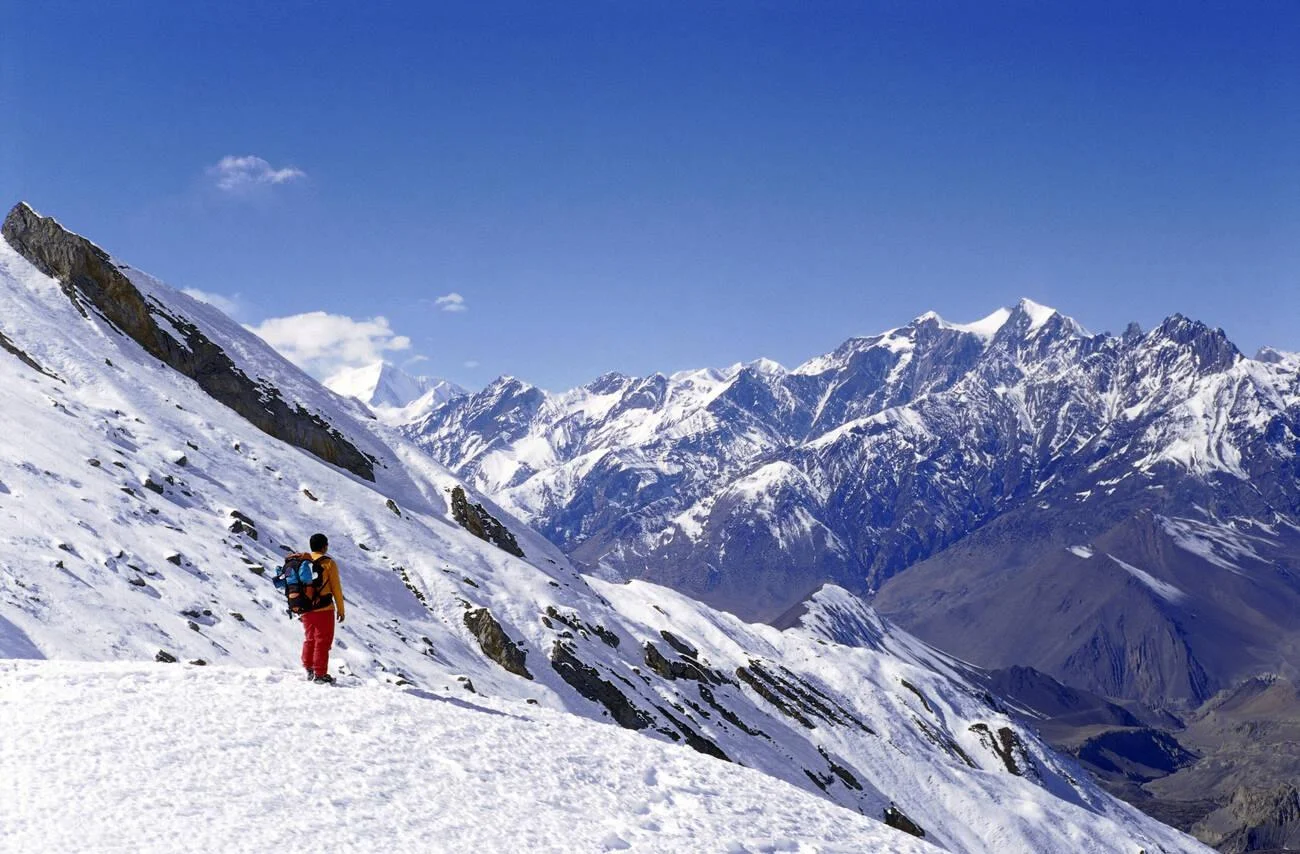
This is the most challenging and rewarding day of the trek as you cross Thorong La Pass, one of the highest trekking passes in the world. The ascent begins early in the morning, involving steep climbs in cold and thin air. After reaching the pass, you are rewarded with breathtaking Himalayan views. The descent toward Muktinath is long but scenic, passing through dramatic landscapes and spiritual terrain. Muktinath is a sacred pilgrimage site for both Hindus and Buddhists, where you will rest after this unforgettable achievement.
After completing the high mountain section, you will take a scenic drive from Muktinath to Tatopani. The journey descends through rugged landscapes, river valleys, and traditional villages. As you lose altitude, the environment becomes warmer and greener. Tatopani is famous for its natural hot springs, where you can relax and soothe tired muscles after days of trekking. This is a perfect recovery stop, allowing your body to relax while still enjoying the natural beauty of the lower Annapurna region.
Today’s trek involves a steep and continuous ascent through forests, waterfalls, and stone steps. The trail passes through charming villages inhabited by Magar communities. As you climb higher, the air becomes cooler and the views more expansive. Ghorepani is a beautiful ridge village surrounded by rhododendron forests and panoramic mountain scenery. It is a popular stop for trekkers heading toward Poon Hill. You will stay overnight in a cozy teahouse preparing for an early sunrise hike the next day.
Early morning begins with a hike to Poon Hill for sunrise views over Annapurna and Dhaulagiri ranges. After breakfast, you continue trekking through lush rhododendron forests and ridge trails. The path includes ups and downs, offering constant views of snow-capped peaks. Wildlife such as birds and monkeys may be spotted along the route. Tadapani is a peaceful forest village where you will spend the night surrounded by nature, enjoying a calm and scenic Himalayan environment.
The trek today descends through dense forests and traditional villages toward Ghandruk, one of the most beautiful Gurung settlements in Nepal. After exploring Ghandruk, you continue to Nayapul, where the trekking portion ends. From here, you will drive to Pokhara, a relaxing lakeside city. Pokhara offers modern comforts, restaurants, and stunning views of the Annapurna range reflected in Phewa Lake. This marks the transition from trekking adventure to leisure and recovery.
After breakfast in Pokhara, you will take a scenic drive back to Kathmandu along winding rivers and hillside highways. The journey offers final glimpses of rural Nepal and mountain landscapes. Upon arrival in Kathmandu, you will check into your hotel and have free time for shopping, relaxation, or exploring the city. You may visit Thamel for souvenirs or enjoy a farewell dinner. This day marks the near completion of your Himalayan journey with Trail Mania Trek.
On your final day, a representative from Trail Mania Trek will transfer you to Tribhuvan International Airport for your departure flight. Depending on your schedule, you may have some free time for last-minute shopping or relaxation. As you leave Nepal, you carry unforgettable memories of the Annapurna Circuit Trek, including high mountain passes, cultural villages, and spiritual landmarks. The journey concludes with a deep appreciation of the Himalayas and the hospitality of Nepal.
Your Start Date is the day you land in Nepal, and your End Date is when you fly home.
If the set Annapurna Circuit Trek group dates don’t suit your schedule, we can offer alternative dates upon request.
The Annapurna Circuit Trek was an amazing adventure with stunning landscapes and incredible mountain views. Trail Mania Trek provided excellent service, knowledgeable guides, and a well-organized trip from start to finish. Highly recommended!
The Annapurna Circuit Trek is one of the most famous trekking routes in Nepal, known for its incredible diversity in landscapes, cultures, and climates. Operated by Trail Mania Trek, this journey circles the Annapurna massif and crosses the challenging Thorong La Pass at 5,416 meters. Trekkers experience everything from lush subtropical forests to high-altitude deserts within a single route. The trek is popular because it combines natural beauty, cultural richness, and adventure, offering close encounters with Himalayan villages, monasteries, and panoramic mountain views that make it a once-in-a-lifetime experience.
The Annapurna Circuit Trek is considered a moderate to challenging trek depending on fitness level, experience, and weather conditions. With Trail Mania Trek, proper guidance and pacing are provided to make the journey safer and more manageable. The trek involves long walking hours, steep ascents, and high-altitude crossing at Thorong La Pass, which requires good stamina and acclimatization. While no technical climbing skills are needed, trekkers must be physically prepared for endurance walking. Regular training, cardiovascular fitness, and mental determination greatly help in successfully completing this iconic Himalayan adventure.
Prior trekking experience is not mandatory for the Annapurna Circuit Trek, but it is highly beneficial. Trail Mania Trek guides assist both beginners and experienced trekkers with proper pacing, safety instructions, and acclimatization schedules. Beginners should prepare by engaging in regular walking, hiking, or cardio exercises before the trip. The key challenge of this trek is altitude rather than technical difficulty, so mental preparedness and physical endurance are more important than mountaineering skills. With proper preparation and guidance, even first-time trekkers can successfully complete the journey.
Altitude sickness is a common concern on the Annapurna Circuit Trek due to high elevations like Thorong La Pass. Trail Mania Trek ensures proper acclimatization days, especially in Manang, to reduce risks. Trekkers are advised to ascend slowly, stay hydrated, and avoid alcohol during the journey. Symptoms such as headache, dizziness, or nausea are taken seriously, and guides are trained to respond immediately. In severe cases, descent is prioritized for safety. Proper planning, rest days, and gradual elevation gain are essential to ensure a safe trekking experience in the Himalayas.
The full Annapurna Circuit Trek typically takes around 15 to 20 days depending on the itinerary, acclimatization schedule, and side trips. With Trail Mania Trek, the standard itinerary is carefully designed to balance trekking distance, rest days, and altitude gain for safety and comfort. Some trekkers may choose shorter or extended versions depending on their fitness and time availability. The duration includes driving sections, trekking days, and acclimatization stops such as Manang. Proper time allocation is essential to fully enjoy the scenery and safely cross high passes.
Trail Mania Trek is a professional trekking company known for providing safe, well-organized, and culturally enriching experiences in the Himalayas. Choosing Trail Mania Trek for the Annapurna Circuit ensures experienced guides, proper acclimatization planning, and personalized support throughout the journey. The company focuses on safety, comfort, and authentic local experiences, allowing trekkers to fully enjoy the beauty of the Annapurna region. From permits to accommodation and logistics, everything is managed professionally, making the trek smoother and more enjoyable for both beginners and experienced adventurers.
The best seasons for the Annapurna Circuit Trek are spring (March to May) and autumn (September to November). During these periods, the weather is generally stable, skies are clear, and mountain views are spectacular. Trail Mania Trek recommends these seasons because trails are safer and teahouses are fully operational. Spring offers blooming rhododendron forests, while autumn provides crisp air and excellent visibility. Winter trekking is possible but very cold at higher altitudes, and monsoon season brings rain and landslides, making the route less predictable and more challenging for trekkers.
Accommodation on the Annapurna Circuit Trek consists mainly of teahouses and lodges run by local families. Trail Mania Trek arranges comfortable and clean stays wherever possible along the route. Rooms are usually basic, with twin beds and shared bathrooms, but they provide warmth, food, and a safe resting environment. As altitude increases, facilities become more simple due to remoteness. Despite the simplicity, teahouses offer hearty meals and a welcoming atmosphere, allowing trekkers to experience authentic Himalayan hospitality and cultural interaction with local communities.
During the Annapurna Circuit Trek, trekkers can enjoy a variety of meals offered in teahouses along the route. Trail Mania Trek ensures that clients are guided toward hygienic and energy-rich food choices. The most common meal is Dal Bhat, which includes rice, lentils, vegetables, and pickles, providing excellent nutrition for trekkers. Other options include noodles, soups, pasta, potatoes, eggs, and basic international dishes. As altitude increases, menu variety becomes limited, but meals remain freshly prepared and designed to support energy levels during long trekking days.
To complete the Annapurna Circuit Trek, two main permits are required: the Annapurna Conservation Area Permit (ACAP) and the TIMS (Trekkers’ Information Management System) card. Trail Mania Trek handles all necessary permit arrangements for trekkers to ensure a smooth and hassle-free experience. These permits are essential for entry into protected areas and help support conservation and local communities. Trekkers must carry these documents throughout the journey, as they are checked at various entry points along the route by authorized officials.
Yes, travel insurance is strongly recommended for the Annapurna Circuit Trek. Trail Mania Trek advises all trekkers to obtain insurance that covers high-altitude trekking and emergency helicopter evacuation. Due to the remote and high-elevation nature of the route, insurance provides essential protection in case of altitude sickness, injury, or unexpected emergencies. Having proper coverage ensures peace of mind throughout the journey. Without insurance, emergency evacuation or medical treatment can become extremely costly in remote Himalayan regions, making it an essential part of trek preparation.
Packing correctly is very important for a successful Annapurna Circuit Trek. Trail Mania Trek provides a detailed checklist, but essential items include warm layered clothing, a down jacket, trekking boots, gloves, a hat, sunglasses, and a sleeping bag. Trekking poles, sunscreen, and a first-aid kit are also highly recommended. Since weather conditions change quickly in the Himalayas, layering is key. Trekkers should pack light but smart, ensuring they are prepared for both warm lower regions and freezing high-altitude conditions near Thorong La Pass.