Hotel in Kathmandu and Tea House / Lodge during the trek
The Everest Three Pass Trek is one of the most adventurous and complete trekking routes in the Everest region of Nepal, combining high mountain passes, remote valleys, Sherpa culture, and iconic Himalayan views. Organized by Trail Mania Trek, this journey connects three major high passes—Kongma La, Cho La, and Renjo La—while also visiting highlights such as Everest Base Camp and Gokyo Lakes. The trek begins in Kathmandu, the capital of Nepal, and continues with a scenic flight to Lukla, the gateway to the Everest region.
This itinerary is not just a trek but a full Himalayan expedition that takes you through famous settlements like Namche Bazaar, Tengboche, and Gorak Shep. Trekkers experience diverse landscapes ranging from lush pine forests and suspension bridges to icy glaciers and high-altitude deserts. The trek also offers cultural immersion with the Sherpa communities, ancient monasteries, and traditional Himalayan lifestyles.
The best time to complete the Everest Three Pass Trek with Trail Mania Trek is during the two main trekking seasons in Nepal: spring (March to May) and autumn (September to November). These months offer the most stable weather conditions, clear skies, and excellent mountain visibility, which are essential for crossing high passes like Kongma La and Cho La safely.
During spring, the trails are filled with blooming rhododendrons and moderate temperatures, making the journey visually stunning and comfortable. Autumn, on the other hand, is the most popular season due to crystal-clear views of peaks like Mount Everest and Lhotse. Winter trekking is possible but extremely challenging due to heavy snowfall and freezing temperatures at high passes, while the monsoon season brings rain, slippery trails, and poor visibility.
Seasonal Breakdown:
The Everest Three Pass Trek is considered a strenuous and high-altitude adventure trek, requiring excellent physical fitness, endurance, and prior trekking experience. With multiple passes above 5,300 meters, long walking days, and unpredictable mountain weather, trekkers must be well-prepared for altitude-related challenges. Acclimatization days in places like Dingboche and Namche Bazaar are essential for safety and success.
Transportation begins with a domestic flight from Kathmandu to Lukla, one of the world’s most thrilling air routes. From there, all travel is on foot, with support from experienced guides and porters provided by Trail Mania Trek. Emergency helicopter evacuation is also available if needed, especially in high-altitude sections like Kongma La or Cho La Pass.
The trek involves walking 6–8 hours daily, steep ascents, glacier crossings, and rocky terrain. Weather changes quickly, and altitude sickness is a real concern above 4,000 meters.
Difficulty & Transport Points:
During the Everest Three Pass Trek, Trail Mania Trek ensures comfortable teahouse accommodation and nutritious meals along the route. Lodges are available in all major stops such as Phakding, Namche Bazaar, Dingboche, Lobuche, and Gokyo. While facilities become more basic at higher altitudes, they provide warm hospitality and essential comfort for trekkers.
Food options mainly include traditional Nepali meals like dal bhat (rice, lentils, and vegetables), as well as noodles, soups, potatoes, eggs, and Tibetan bread. In lower regions, international dishes such as pasta, pancakes, and fried rice are also available. As altitude increases, menu variety decreases due to transportation limitations.
Accommodation is usually twin-sharing rooms with shared bathrooms. Heating is limited, so sleeping bags are recommended. Teahouses also serve as social hubs where trekkers gather around dining stoves in the evenings.
Food & Accommodation Points:
To complete the Everest Three Pass Trek, trekkers need several official permits, which are arranged by Trail Mania Trek for a hassle-free experience. These permits are mandatory to enter the Everest region and to support conservation and local development efforts.
The primary permits include the Sagarmatha National Park Entry Permit, which allows access to protected areas including Everest Base Camp and Gokyo region, and the Khumbu Pasang Lhamu Rural Municipality Permit, which replaces the old TIMS card system in the Everest region. These permits are checked at various checkpoints along the route, especially near Namche Bazaar.
All permits must be carried throughout the trek, and your guide ensures proper documentation and compliance with local regulations.
Permit Checklist:
Choosing the Everest Three Pass Trek with Trail Mania Trek ensures a professionally guided, safe, and well-organized Himalayan adventure. This trek is not just about reaching Everest Base Camp but about exploring the complete Everest region through its three legendary high passes, offering unmatched panoramic views and cultural depth.
Trail Mania Trek provides experienced mountain guides, safety-focused itineraries, proper acclimatization schedules, and emergency support, ensuring trekkers are well-prepared for high-altitude challenges. The company also emphasizes responsible trekking practices, supporting local communities in places like Namche Bazaar, Tengboche, and Gokyo Valley.
This trek is ideal for adventure seekers who want a more challenging and less crowded alternative to the standard Everest Base Camp route. It combines physical challenge, natural beauty, and cultural immersion into one epic journey.
Why Choose This Trek:
Upon arrival at Kathmandu, the capital city of Nepal, a representative from Trail Mania Trek will greet you at the airport and transfer you to your hotel in the vibrant Thamel area. This first day is designed for rest and adjustment after your international journey. Kathmandu offers a rich blend of culture, chaos, and charm, with bustling streets, prayer flags, and ancient architecture surrounding you. In the evening, a short briefing will be provided by your trekking guide, where you will learn about the Everest Three Pass Trek route, safety measures, and necessary preparations for high-altitude trekking.
Today is dedicated to exploring the cultural heritage of Kathmandu while also completing final trek preparations. With Trail Mania Trek, you will visit UNESCO World Heritage Sites such as Swayambhunath (Monkey Temple), Pashupatinath Temple, and Boudhanath Stupa. These landmarks provide deep insight into Nepal’s spiritual and cultural identity. In between sightseeing, you will also attend gear checks and permit arrangements for the Everest region trek. The guide will ensure that all equipment is suitable for high-altitude conditions. The evening is reserved for final packing, mental preparation, and meeting fellow trekkers joining the adventure.
An early morning scenic flight takes you from Kathmandu to Lukla, one of the world’s most thrilling mountain airports. Upon landing, you begin your trek with Trail Mania Trek along the Dudh Koshi River valley. The trail passes through small Sherpa villages, suspension bridges, and pine forests. After several hours of gentle trekking, you arrive at Phakding, a peaceful riverside village. This first trekking day helps your body gradually adjust to altitude while immersing you in the natural beauty of the Everest region.
Today’s trek is more challenging as you ascend toward Namche Bazaar, the main trading hub of the Khumbu region. The trail crosses multiple suspension bridges, including the famous Hillary Bridge, and climbs steadily through dense forests of rhododendron and pine. You will enter Sagarmatha National Park, where permits are checked. As you approach Namche, the first distant views of Everest and surrounding peaks may appear if the weather is clear. Trail Mania Trek ensures a steady pace to help proper acclimatization on this demanding yet rewarding day.
This acclimatization day is essential for adapting to the higher altitude at Namche Bazaar. With Trail Mania Trek, you will hike to nearby viewpoints such as the Everest View Hotel area or Khumjung village to aid altitude adaptation. These short hikes offer breathtaking views of Everest, Lhotse, and Ama Dablam. After returning, you can explore Namche’s bakeries, shops, and Sherpa culture museum. The rest day helps prevent altitude sickness while allowing your body to strengthen for the upcoming high passes and longer trekking days ahead.
Leaving Namche, the trail contours along ridges with magnificent views of Himalayan peaks. You descend slightly before ascending through forests filled with wildlife, including Himalayan tahr and colorful birds. The route leads to Tengboche, home to one of the most important monasteries in the region. Trail Mania Trek guides often arrange a visit to the Tengboche Monastery, where monks perform traditional rituals. The peaceful surroundings, combined with panoramic mountain scenery, make this one of the most spiritually enriching days of the trek.
Today’s journey continues deeper into the Everest region as you trek from Tengboche to Dingboche. The landscape gradually changes from lush forests to alpine terrain, with fewer trees and more open valleys. You pass through villages like Pangboche, offering incredible views of Ama Dablam. The air becomes thinner, and trekking becomes more demanding. Trail Mania Trek ensures a steady pace with frequent hydration breaks. Upon reaching Dingboche, you will settle into a high-altitude settlement surrounded by stone-walled fields designed to protect crops from harsh winds.
This acclimatization day in Dingboche is vital for preparing your body for the high passes ahead. With Trail Mania Trek, you will hike up Nagarjun Hill or nearby ridges for panoramic views of Makalu, Lhotse, and Island Peak. These short ascents help your body adapt to reduced oxygen levels. After returning, you can rest in your lodge, enjoy warm meals, and prepare mentally for the challenging days ahead. The peaceful mountain environment offers an ideal setting for recovery and reflection.
The trail from Dingboche to Chhukung is short but significant, leading into a more remote alpine zone. After reaching Chhukung, you will ascend Chhukung Ri, a demanding acclimatization climb offering spectacular views of Island Peak, Ama Dablam, and surrounding glaciers. Trail Mania Trek ensures proper pacing and safety during this high-altitude ascent. The climb helps prepare your lungs and body for the upcoming Kongma La Pass. You return to Chhukung for rest and overnight stay in a rugged Himalayan environment.
Today is one of the toughest and most rewarding days of the trek as you cross Kongma La Pass, the highest of the three passes. The ascent is steep, rocky, and physically demanding, requiring endurance and careful navigation. After reaching the pass, you are rewarded with dramatic views of glaciers and peaks. The descent toward Lobuche is long and challenging. Trail Mania Trek guides ensure safety and proper pacing throughout this strenuous but unforgettable high-mountain crossing.
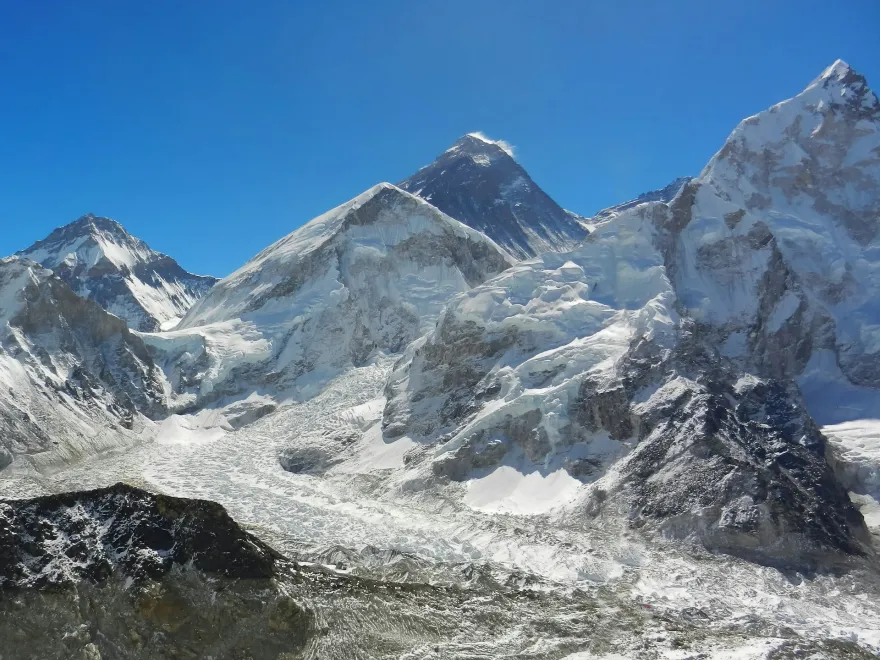
From Lobuche, you trek toward Gorak Shep, the final settlement before Everest Base Camp. After a short rest, you continue your journey to the legendary Everest Base Camp. The trail crosses glacial moraine and rocky terrain, offering a surreal landscape. Standing at Base Camp is a lifetime achievement, surrounded by Khumbu Icefall and towering peaks. Trail Mania Trek ensures you have time for photos and reflection before returning to Gorak Shep for the night in a high-altitude, rugged environment.
Early morning ascent to Kala Patthar offers the best panoramic view of Mount Everest, especially during sunrise. After spending time at the viewpoint, you descend back to Gorak Shep for breakfast and then continue trekking down to Lobuche. This day is physically demanding due to altitude and early wake-up, but it provides one of the most iconic Himalayan experiences. Trail Mania Trek ensures safety and steady pacing while maximizing your viewing opportunities.
Leaving Lobuche, the trail becomes quieter and more remote as you head toward Dzongla. The path offers dramatic views of Cholatse and surrounding glaciers. This section of the trek is less crowded, providing a peaceful atmosphere. Trail Mania Trek guides help you navigate rocky terrain and ensure a comfortable pace. Dzongla is a small settlement where you will rest and prepare for the next major challenge, the Cho La Pass crossing.
Today is one of the most technical and challenging parts of the trek as you cross Cho La Pass. The ascent involves rocky sections, possible snow, and glacier traversal. After reaching the pass, you descend carefully toward the beautiful Gokyo Valley. The turquoise lakes begin to appear as you approach Gokyo. Trail Mania Trek provides expert guidance and safety support throughout this demanding alpine crossing.
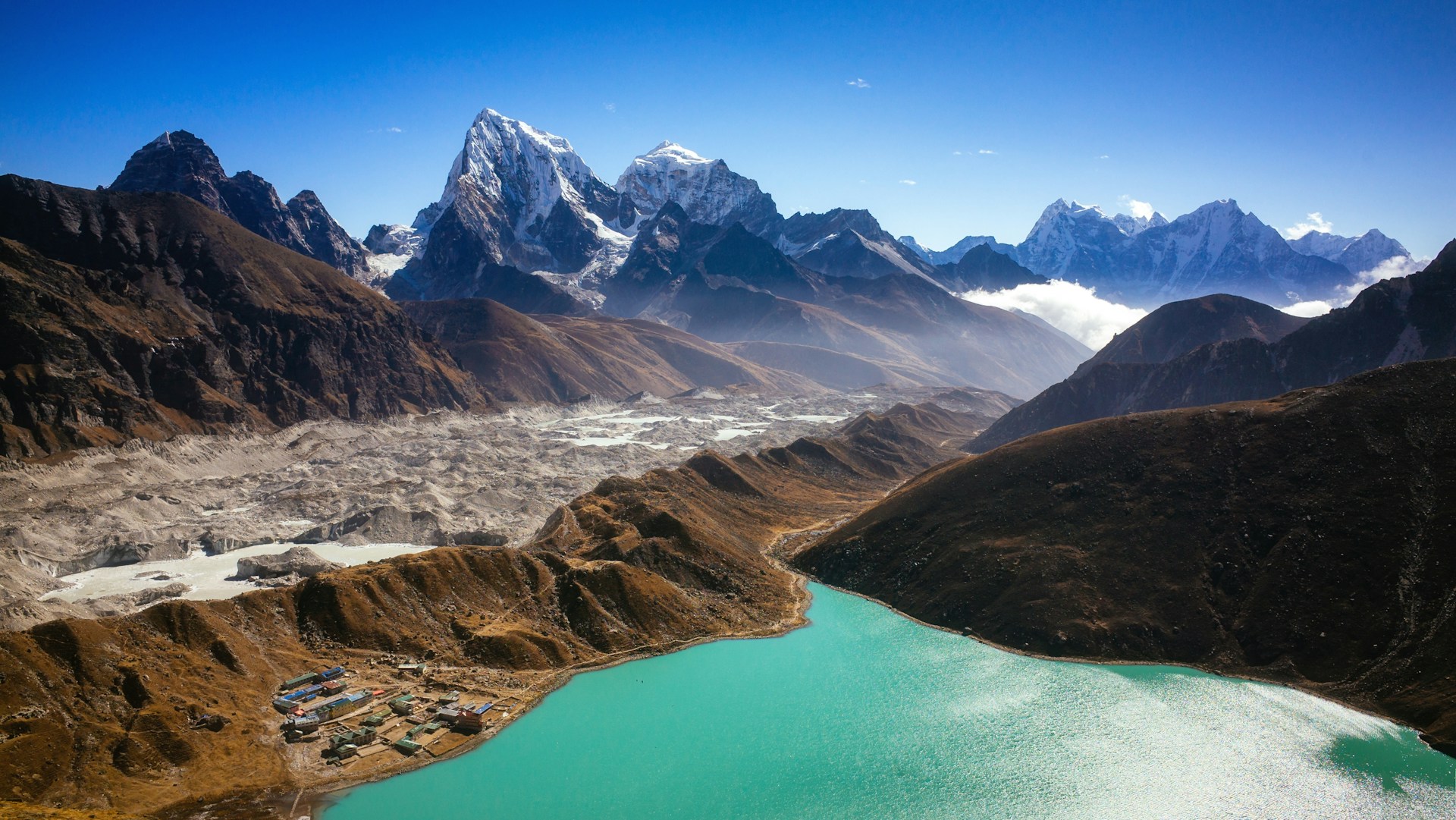
This acclimatization and exploration day in Gokyo is unforgettable. You will climb Gokyo Ri early in the morning for breathtaking views of Everest, Cho Oyu, and the surrounding Himalayan giants. The Gokyo Lakes, a series of sacred turquoise glacial lakes, are also explored during the day. Trail Mania Trek ensures a relaxed pace, allowing you to fully appreciate the natural beauty and spiritual atmosphere of the region.
Today you cross the final pass, Renjo La, offering one of the most scenic viewpoints of the entire trek. The ascent is steady but challenging, rewarded with panoramic Himalayan views. After crossing, you descend toward Lumde, a quiet settlement in the Bhote Koshi Valley. Trail Mania Trek supports you through the demanding terrain and ensures a safe descent into a less-traveled region.
The trail descends gradually back toward Namche Bazaar. As you return to more populated trails, the landscape becomes greener and more familiar. The journey feels easier after days of high passes. Trail Mania Trek guides help you maintain a steady rhythm while reflecting on the incredible achievements of crossing all three passes. Reaching Namche feels like returning to civilization.
The final trekking day takes you back to Lukla, retracing your steps through familiar villages and forests. Although mostly downhill, the trail includes some steep sections that require caution. Trail Mania Trek ensures a safe and celebratory descent. Upon reaching Lukla, you celebrate the completion of your epic Everest Three Pass journey with your guides and fellow trekkers.
A morning flight takes you back to Kathmandu, marking the end of your trekking adventure. After landing, Trail Mania Trek transfers you to your hotel. The rest of the day is free for relaxation, shopping, or celebrating your achievement. The contrast between the mountains and city life feels striking after nearly three weeks in the Himalayas.
On your final day, Trail Mania Trek assists with your airport transfer for your international departure. Depending on your flight schedule, you may have time for last-minute sightseeing or souvenir shopping in Kathmandu. As you leave Nepal, you carry unforgettable memories of high passes, remote valleys, sacred monasteries, and the achievement of completing the Everest Three Pass Trek—one of the most challenging and rewarding trekking routes in the world.
Your Start Date is the day you land in Nepal, and your End Date is when you fly home.
If the set Everest Three Pass Trek group dates don’t suit your schedule, we can offer alternative dates upon request.
The Everest Three Pass Trek is one of the most challenging and scenic trekking routes in the Himalayas, organized by Trail Mania Trek. It crosses three high mountain passes—Kongma La, Cho La, and Renjo La—while exploring Everest Base Camp, Gokyo Lakes, and remote Sherpa valleys. This trek is designed for experienced trekkers seeking adventure, altitude challenge, and diverse landscapes. It combines classic Everest trekking with off-the-beaten-path routes, offering panoramic Himalayan views, glacial terrain, and rich cultural experiences in villages like Namche Bazaar, Dingboche, and Gokyo.
The Everest Three Pass Trek is considered a very strenuous high-altitude trek and is recommended for trekkers with strong physical fitness and prior trekking experience. With Trail Mania Trek, the journey involves long trekking days, steep ascents, glacier crossings, and altitudes exceeding 5,000 meters. The three passes—Kongma La, Cho La, and Renjo La—are physically demanding and require endurance and mental strength. While no technical climbing skills are required, good stamina, preparation, and acclimatization are essential for a safe and successful completion of the trek.
The Everest Three Pass Trek typically takes around 18 to 20 days to complete, depending on the itinerary designed by Trail Mania Trek. This duration includes arrival and departure from Kathmandu, acclimatization days, and the full circuit of the Everest region, including Everest Base Camp, Gokyo Valley, and all three high passes. The itinerary is carefully planned to ensure proper altitude adjustment and safety. Shortening the trek is not recommended due to high elevation and physically demanding terrain, which require gradual acclimatization.
Yes, prior trekking experience is highly recommended for the Everest Three Pass Trek organized by Trail Mania Trek. Since the route involves crossing three high passes above 5,000 meters and trekking for long hours in remote conditions, beginners may find it extremely challenging. Experience with multi-day trekking, altitude awareness, and physical endurance training will significantly improve your chances of success. However, with proper preparation, training, and a strong mindset, determined trekkers can complete this adventure safely under expert guidance.
Yes, altitude sickness is a significant concern on the Everest Three Pass Trek due to elevations exceeding 5,000 meters. Trail Mania Trek follows a carefully designed itinerary with proper acclimatization days in places like Namche Bazaar and Dingboche to reduce risk. Trekkers are advised to ascend gradually, stay hydrated, and listen to their guides. Symptoms such as headaches, nausea, or dizziness must be taken seriously. In severe cases, descent is the only cure. Proper preparation and guidance greatly reduce the risks associated with high altitude.
The best time to undertake the Everest Three Pass Trek with Trail Mania Trek is during the spring season (March to May) and autumn season (September to November). These months offer stable weather, clear mountain views, and safer trail conditions. Spring brings blooming rhododendrons and moderate temperatures, while autumn provides crisp air and excellent visibility of Everest and surrounding peaks. Winter is extremely cold and snowy, making passes difficult, while the monsoon season brings heavy rain and flight disruptions, especially in the Lukla region.
During the Everest Three Pass Trek with Trail Mania Trek, accommodation is mainly in teahouses and mountain lodges run by local Sherpa families. These lodges provide basic but comfortable facilities, including a bed, blankets, and shared dining areas. As altitude increases, facilities become simpler due to remote conditions. Hot showers, Wi-Fi, and charging may be available in lower villages like Namche Bazaar but are limited in higher regions. Despite the simplicity, the warm hospitality and cultural experience make the stay memorable throughout the journey.
For the Everest Three Pass Trek, several permits are required, which are arranged by Trail Mania Trek on behalf of trekkers. These typically include the Sagarmatha National Park Entry Permit and the Khumbu Pasang Lhamu Rural Municipality Permit. These permits allow access to protected trekking regions in the Everest area. All paperwork is handled by the trekking agency, ensuring a smooth and hassle-free experience. Trekkers are advised to carry copies of their permits at all times, as they may be checked at various entry points along the route.
Packing for the Everest Three Pass Trek requires careful preparation due to extreme altitude and weather variations. Trail Mania Trek recommends layered clothing, including thermal wear, a down jacket, waterproof outer shell, trekking boots, gloves, hats, and sunglasses. Essential gear includes a sleeping bag rated for cold temperatures, trekking poles, headlamp, water purification tablets, and personal medical supplies. A lightweight backpack is important for daily use. Since conditions change rapidly in the Himalayas, proper gear ensures comfort, safety, and successful completion of the trek.
Yes, travel insurance is mandatory for the Everest Three Pass Trek organized by Trail Mania Trek. The insurance must cover high-altitude trekking, medical emergencies, and helicopter evacuation up to at least 6,000 meters. Due to the remote and challenging nature of the trek, emergency evacuation may be required in case of altitude sickness or injury. Having proper insurance ensures peace of mind and financial protection during unforeseen situations. Trekkers should verify policy details carefully before arriving in Nepal to ensure full coverage for Himalayan trekking activities.
| No of people | Price per person |
|---|---|
| 1 - 1 | $1,575 |
| 2 - 4 | $1,455 |
| 5 - 9 | $1,440 |
| 10 - 15 | $1,425 |
| 16 - 20 | $1,410 |