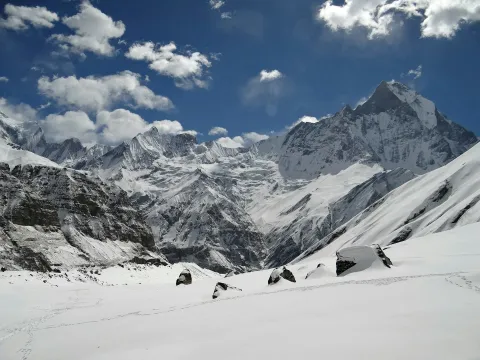
The Annapurna Base Camp Trek (ABC Trek), organized by Trail Mania Trek, is one of the most scenic and rewarding trekking adventures in Nepal. It takes you deep into the heart of the Annapurna Sanctuary, surrounded by towering Himalayan giants like Annapurna I (8,091 m), Machhapuchhre (Fishtail), and Hiunchuli. The journey begins from the culturally rich capital city of Nepal, Kathmandu, followed by a scenic drive to the lake city, Pokhara, before entering the trekking trail through traditional villages, rhododendron forests, and high alpine landscapes.This 13-day itinerary by Trail Mania Trek is carefully designed to balance acclimatization, cultural exploration, and gradual altitude gain. The trek passes through iconic villages like Ghandruk, Chomrong, and Bamboo, eventually reaching the breathtaking Annapurna Base Camp at 4,130 meters. The route offers a mix of natural beauty and cultural immersion, allowing trekkers to experience Gurung hospitality, terraced farming, and Himalayan wilderness in a single journey.A major highlight of this trek is reaching the Annapurna Sanctuary, a natural amphitheater surrounded by snow-covered peaks. The sunrise view from base camp is considered one of the most magical Himalayan experiences. Trail Mania Trek ensures professional guidance, safety support, and well-planned logistics throughout the journey.UNESCO-listed Himalayan trekking regionStunning views of the Annapurna massifCultural villages and Gurung heritageNatural hot springs at Jhinu DandaDiverse landscapes from subtropical to alpine zonesBest Season for Annapurna Base Camp TrekThe best seasons for the Annapurna Base Camp Trek with Trail Mania Trek are spring (March–May) and autumn (September–November). These months offer the most stable weather, clear mountain visibility, and comfortable trekking conditions. During spring, the trails are decorated with blooming rhododendrons and lush greenery, making the journey visually spectacular. Autumn, on the other hand, provides crystal-clear skies and excellent visibility of Himalayan peaks.Winter (December–February) is also possible but comes with heavy snowfall at higher altitudes such as Deurali and Annapurna Base Camp. While the scenery is stunning, temperatures drop significantly, making trekking more challenging. Monsoon season (June–August) is generally avoided due to heavy rainfall, slippery trails, and occasional landslides in the lower regions near Nayapul.Trail Mania Trek carefully schedules departures based on seasonal conditions to ensure safety and the best possible trekking experience. Guides monitor weather forecasts and trail conditions in real-time, making adjustments when necessary.Season breakdown:Spring: Best for flowers and moderate weatherAutumn: Best for mountain views and stable weatherWinter: Cold but peaceful and less crowdedMonsoon: Not recommended due to rain and landslidesOverall, spring and autumn remain the top recommendations for the best trekking experience in the Annapurna region.Annapurna Base Camp Trek Difficulty and TransportationThe Annapurna Base Camp Trek is considered a moderate-level trek, suitable for beginners with reasonable fitness and experienced trekkers alike. The daily walking hours range from 5 to 7 hours, with gradual altitude gain reducing the risk of severe altitude sickness. However, trekkers should still prepare for steep ascents and descents, especially between Chomrong, Dovan, and Deurali.Trail Mania Trek ensures proper acclimatization and pacing throughout the journey. The highest point, Annapurna Base Camp at 4,130 meters, is reached after several days of gradual ascent, which helps the body adjust naturally. No technical climbing skills are required, but endurance and stamina are essential.Transportation is an important part of this itinerary. The journey begins with a tourist bus ride from Kathmandu to Pokhara, followed by a drive to Nayapul, the starting point of the trek. After completing the trek, the return journey follows the same route back to Pokhara and then to Kathmandu.Difficulty factors:Moderate trekking duration (5–7 hours daily)Steep stone stair sections (especially Chomrong)High altitude at ABC (4,130 m)Weather variability in the mountainsTransportation summary:Tourist bus: Kathmandu ↔ PokharaPrivate/shared jeep: Pokhara ↔ NayapulTrekking routes: Nayapul → ABC → NayapulWith proper guidance from Trail Mania Trek, even first-time trekkers can complete this adventure.Food and Accommodation for Annapurna Base Camp TrekFood and accommodation during the Annapurna Base Camp Trek are simple but comfortable, arranged carefully by Trail Mania Trek to ensure hygiene and convenience. Throughout the trail, trekkers stay in local teahouses run by mountain families. These lodges provide basic rooms with twin beds, blankets, and shared bathrooms. As altitude increases, facilities become more basic, but hospitality remains warm and welcoming.Meals are typically served in communal dining halls where trekkers can enjoy a variety of Nepali and international dishes. The most common meal is Dal Bhat (rice, lentils, and vegetables), which provides high energy for trekking. Other available items include noodles, pasta, soups, pancakes, eggs, and tea/coffee.Trail Mania Trek prioritizes clean accommodations and safe food practices, ensuring trekkers remain healthy throughout the journey. Drinking water is available in boiled or filtered form at most teahouses.Accommodation features:Teahouse lodges along the routeBasic but clean twin-sharing roomsShared bathroom facilitiesWarm dining halls at higher altitudesFood highlights:Traditional Dal Bhat power mealsWestern-style breakfasts (toast, eggs, pancakes)Soups and noodles for energyHot drinks for cold conditionsEven though facilities become simpler as you go higher, the combination of mountain hospitality and freshly cooked meals adds to the authentic Himalayan trekking experience.Annapurna Base Camp Trek PermitsTo complete the Annapurna Base Camp Trek, trekkers must obtain two essential permits, which are fully arranged by Trail Mania Trek for convenience and legal compliance. These permits ensure environmental protection and controlled access to the Annapurna Conservation Area.The first permit is the Annapurna Conservation Area Permit (ACAP), which is required for entering the protected region. The second is the Trekkers’ Information Management System (TIMS) card, which helps track trekkers for safety and record-keeping purposes. Both permits are mandatory for foreign and domestic trekkers.Trail Mania Trek handles all permit processing before the trek begins, allowing travelers to focus fully on the journey without administrative stress. All documentation is checked and verified at entry checkpoints along the route.Required permits:Annapurna Conservation Area Permit (ACAP)Trekkers’ Information Management System (TIMS) CardImportant notes:Permits are checked at multiple trail entry pointsLost permits can cause delays or penaltiesCarry passport copies and passport-size photosWith Trail Mania Trek managing the paperwork, trekkers enjoy a smooth, worry-free experience from start to finish.Why Choose Annapurna Base Camp TrekChoosing the Annapurna Base Camp Trek with Trail Mania Trek offers a complete Himalayan experience combining nature, culture, and adventure. This trek is ideal for those who want a shorter yet highly rewarding journey into the heart of the Annapurna region without requiring extreme mountaineering skills.One of the biggest advantages is the diversity of landscapes—from lush green forests and terraced farmlands to alpine glaciers and dramatic mountain basins. The cultural richness of villages like Ghandruk and Chomrong also adds depth to the experience, allowing trekkers to connect with local Gurung traditions and lifestyle.Trail Mania Trek provides experienced guides, safety-focused itineraries, and personalized support, ensuring every trekker feels confident and well-prepared. Emergency support, route planning, and acclimatization schedules are all professionally managed.Reasons to choose this trek:One of Nepal’s most scenic trekking routesPerfect balance of culture and adventureProfessional guidance from Trail Mania TrekModerate difficulty suitable for most trekkersStunning sunrise views from Annapurna Base CampNatural hot springs and diverse ecosystemsIn conclusion, the Annapurna Base Camp Trek is not just a trekking journey—it is a life-changing Himalayan experience. With Trail Mania Trek, it becomes safe, well-organized, and unforgettable from arrival in Kathmandu to departure.
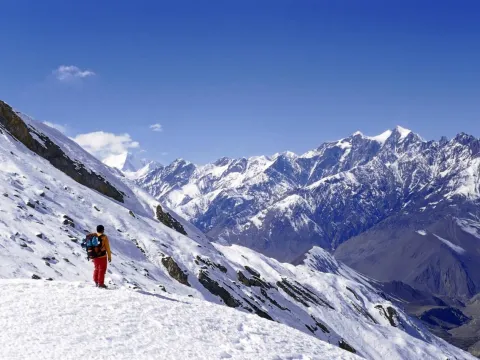
The Annapurna Circuit Trek is one of the most iconic long-distance trekking routes in the Himalayas of Nepal. It circles the Annapurna massif and offers an incredible variety of landscapes—from subtropical valleys and terraced fields to high alpine deserts and the dramatic Thorong La Pass. The itinerary provided by Trail Mania Trek is a classic 17-day journey that blends cultural immersion, natural beauty, and high-altitude adventure.This trek begins in Kathmandu and gradually moves into the Annapurna region, passing through traditional villages like Dharapani, Chame, Pisang, and Manang before crossing the challenging Thorong La Pass (5,416m). After descending to Muktinath, the route continues through Tatopani, Ghorepani, and Ghandruk, eventually ending in Pokhara. The diversity of this route is what makes it exceptional, as trekkers experience Hindu and Buddhist cultures, deep gorges, waterfalls, glaciers, and panoramic mountain views.The trek is not just about scenery; it is also a cultural journey. Villages along the route are inhabited by Gurung, Thakali, and Tibetan-influenced communities. Each settlement offers a glimpse into traditional Himalayan lifestyles that have remained largely unchanged for centuries.Crossing Thorong La Pass (5,416m)Visiting Muktinath TemplePanoramic views of Annapurna & Dhaulagiri rangesCultural villages: Manang, Pisang, and GhandrukNatural hot springs at TatopaniBest Season for Annapurna Circuit TrekThe best seasons for the Annapurna Circuit Trek are spring (March to May) and autumn (September to November). These periods offer the most stable weather conditions, clear mountain views, and comfortable trekking temperatures. During spring, the trails are decorated with blooming rhododendrons, while autumn provides crisp air and excellent visibility after the monsoon rains.Spring is particularly popular among trekkers because of its vibrant landscapes and moderate temperatures. Higher regions like Manang and Thorong Phedi are accessible without extreme cold, making acclimatization more comfortable. Autumn, however, is considered the peak trekking season due to its stable weather and crystal-clear Himalayan views, especially of Annapurna I, Dhaulagiri, and Machhapuchhre.Winter (December to February) is possible but challenging due to heavy snowfall at higher altitudes, especially near Thorong La Pass. Monsoon season (June to August) brings rain, landslides, and leeches in lower regions, making trekking more difficult.Best seasonal tips:Spring: Best for flowers and moderate weatherAutumn: Best for visibility and stable trailsWinter: Only for experienced trekkersMonsoon: Not recommended due to rain and landslidesTrail Mania Trek recommends autumn as the most reliable season for this full circuit itinerary.Annapurna Circuit Trek Difficulty and TransportationThe Annapurna Circuit Trek is considered moderate to challenging, primarily due to its long duration, varied terrain, and high-altitude pass crossing. The most demanding section is the ascent to Thorong La Pass at 5,416 meters, where altitude sickness and weather conditions can significantly impact performance.Trekkers walk for 5–8 hours per day on average, with some shorter acclimatization days in places like Manang. The trail includes steep ascents, rocky paths, suspension bridges, and occasional snow at higher elevations. Good physical fitness and prior trekking experience are highly recommended, although beginners can complete the trek with proper preparation and pacing.Transportation is a mix of road travel and trekking. The journey begins with a drive from Kathmandu to Syange/Jagat, followed by continuous trekking until Muktinath. From there, another road journey leads to Tatopani, followed by trekking again to Ghorepani and onward to Pokhara. Finally, a scenic drive returns to Kathmandu.Difficulty factors:High altitude crossing (Thorong La Pass)Long trekking days (5–8 hours)Variable terrain (rock, forest, snow)Weather changes at high elevationTransportation highlights:Kathmandu → Syange (jeep/bus)Muktinath → Tatopani (drive)Pokhara → Kathmandu (tourist bus/vehicle)Trail Mania Trek provides experienced guides to manage acclimatization and safe navigation throughout the route.Food and Accommodation for Annapurna Circuit TrekFood and accommodation along the Annapurna Circuit are provided by local teahouses, which are simple but comfortable lodges run by mountain communities. These teahouses offer basic private or shared rooms, usually with twin beds, blankets, and shared bathroom facilities. As altitude increases, accommodations become more basic, but hospitality remains warm and welcoming.Meals are typically included in trekking packages and consist of fresh, locally prepared dishes. The most common meal is Dal Bhat (rice, lentil soup, and vegetables), which provides high energy for trekking. Other options include noodles, pasta, soups, fried rice, momos (dumplings), and Tibetan bread. In lower regions, menus are more varied, while higher regions have limited food choices due to transportation constraints.Hot drinks such as tea, coffee, and ginger lemon honey are widely available and essential for hydration and warmth. Drinking water is available but must be treated or purchased as bottled water.Accommodation features:Teahouse lodges along the trailTwin-sharing roomsBasic but clean facilitiesHot showers are available in the lower regionsFood options:Dal Bhat (main energy meal)Noodles and pastaSoups and fried riceTea, coffee, and herbal drinksTrail Mania Trek ensures hygienic food arrangements and selects reliable teahouses for comfort and safety during the journey.Annapurna Circuit Trek PermitsTo complete the Annapurna Circuit Trek, trekkers must obtain specific permits required by the Nepalese government. These permits help conserve the Annapurna region and support local communities. The two main permits required are the Annapurna Conservation Area Permit (ACAP) and the Trekkers’ Information Management System (TIMS) card.The ACAP permit allows entry into the protected Annapurna Conservation Area, which is home to diverse wildlife, forests, and cultural heritage sites. The TIMS card helps track trekkers for safety purposes, ensuring proper monitoring in case of emergencies. These permits are usually arranged in Kathmandu or Pokhara before the trek begins.Foreign nationals must carry valid passports and passport-sized photos for permit processing. The trekking agency, such as Trail Mania Trek, typically handles all permit arrangements, making the process hassle-free for trekkers.Required permits:Annapurna Conservation Area Permit (ACAP)TIMS (Trekkers’ Information Management System)Valid passport and photosPermit benefits:Supports conservation effortsEnsures trekker safety trackingFunds local community developmentRegulates trekking activities in the regionProper permit management ensures a smooth and legal trekking experience throughout the Annapurna Circuit.Why Choose Annapurna Circuit TrekThe Annapurna Circuit Trek is one of the most rewarding trekking experiences in the world due to its unmatched diversity in landscapes, culture, and altitude variation. Unlike shorter treks, this route offers a complete Himalayan experience—from lush green valleys to arid mountain deserts and high passes.Choosing this trek with Trail Mania Trek ensures professional guidance, safety management, and well-organized logistics throughout the journey. Experienced guides help with acclimatization, navigation, and cultural interpretation, making the trek more meaningful and secure.Another major reason to choose this trek is its cultural richness. Trekkers pass through Hindu pilgrimage sites like Muktinath and Buddhist-influenced villages in Manang, offering a deep understanding of Nepal’s spiritual diversity. The combination of nature, culture, and adventure makes it a life-changing journey.Top reasons to choose this trek:Diverse landscapes from the lowlands to the high HimalayasCrossing the famous Thorong La PassRich cultural and spiritual experiencesNatural hot springs and scenic villagesWell-supported itinerary with expert guidesUltimately, the Annapurna Circuit Trek is not just a physical journey but a transformative experience that combines adventure, endurance, and cultural discovery in one of the world’s most stunning mountain regions.